
Diwali

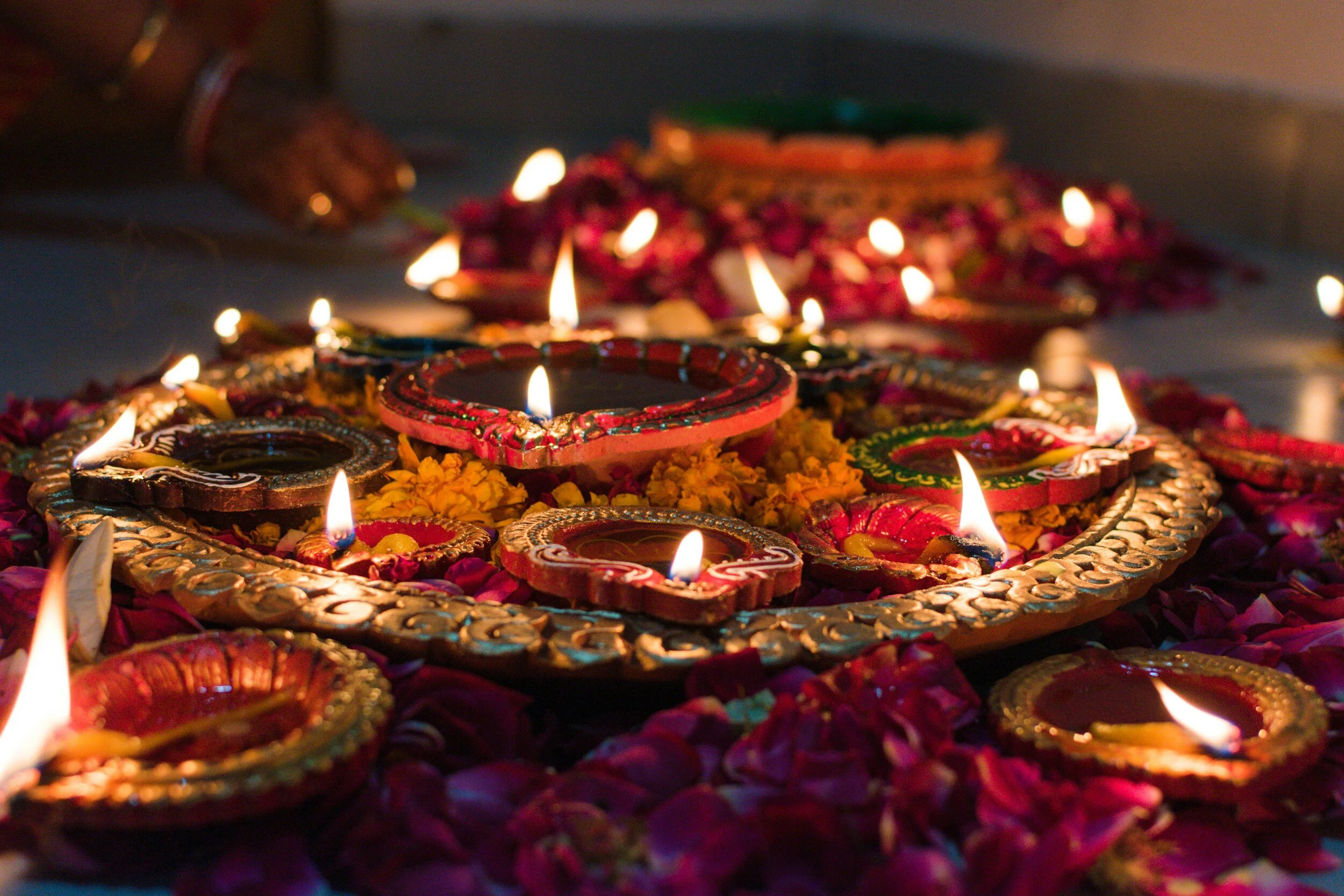
This Sunday is Diwali and my Indian neighbours across the street will be hosting a party. Last year we got an invite, much to the delight of sugar-seeking-missile-children. The sub-continental community is growing rapidly in Canberra – with 12 000 Indian and 5 000 Nepali migrants moving here between our last two censuses, many of these people identify with Hinduism, Jainism or Sikhism. How should Christians approach a holiday like Diwali?

Before we answer that, let’s get clear on what we’re talking about. Diwali is a Hindu celebration and part of the 5-day festival of lights. Hindus follow a lunar calendar, like the ancient Hebrews, and so the date changes each year, much like Easter. Diwali derives from a Sanskrit word that means “row of lights.”

Diwali enacts a set of mythic stories – celebrating the day the god Rama returned to his kingdom in Ayodhya with his wife Sita after defeating the demon-king Ravana. It is also widely associated with Lakshmi, the goddess of prosperity, and Ganesha, the god of wisdom and the remover of obstacles. These stories come to symbolise spiritual victory of light over darkness, good over evil, and knowledge over ignorance.

All this talk of gods might make you think this one is best avoided, but it’s worth noticing too that Diwali marks the beginning of the Hindu New Year, it’s a public holiday in India and plenty of Indians celebrate Diwali without much consideration of the spiritual aspects of the day – much the same as Christians in Victoria this week might’ve been glad to take Tuesday off while also saying, “Nup to the Cup” and ignoring the whole horsie thing.

I take my queues on this one from Paul in Athens in Acts 17. Paul was internally distressed by the Athenian idolatry. I can imagine him walking around, penning Romans 1 in his mind as he read the plaques on the city’s monuments. But he processed that distress into engaged persuasion. He looked for points of resonance between the gospel and the worship around him and showed how the longings of the Athenian heart are satisfied in the person of Jesus.    

So how do we do that for Diwali? If you’re invited to a party this weekend, be winsomely curious. Ask heaps of questions about what this celebration means to them. If triumph of good over evil and light over darkness comes up, ask what that means about how we face darkness and evil now.

And should you get the chance, you can share your story of light overcoming darkness and good overcoming evil too. On the first Easter day John tells us that the women arrived at the tomb “while it was still dark” (John 20:1). The sun did rise the day before, but the time between Jesus’ death and that morning were perpetual gloom for Jesus’ followers. Discovering the open tomb, Mary Magdalene even assumes that some unnamed “they” had taken Jesus away. Darkness and evil looked for all money like the victors. Light had been extinguished.

But then the gardener calls her by name, and the glow of recognition flashes into Mary’s heart and the light that overcomes the darkness embraces her, and with her the whole world.

Jesus is God from God, Light from Light. He is the true and better Diwali and welcomes us out of ignorance, evil and darkness and into light and goodness and true knowledge and delight in God.

grace and Peace,

Steve

Now and Then

Now and Then

A new Beatles track dropped this morning Australia time. Quite a feat for a band that broke up 49 years ago, has two deceased members, and the two remaining members are both Octogenarians.
 
With a little help from filmmaker Peter Jackson and his Machine Audio Learning software, they were able to isolate out the John Lennon vocals from a previously unreleased demo record he made called For Paul. They then layered in guitar recordings from George Harrison from the 90s, and add a fresh baseline, drumming and vocals from Paul McCartney and Ringo Starr.  
Sides

Sides

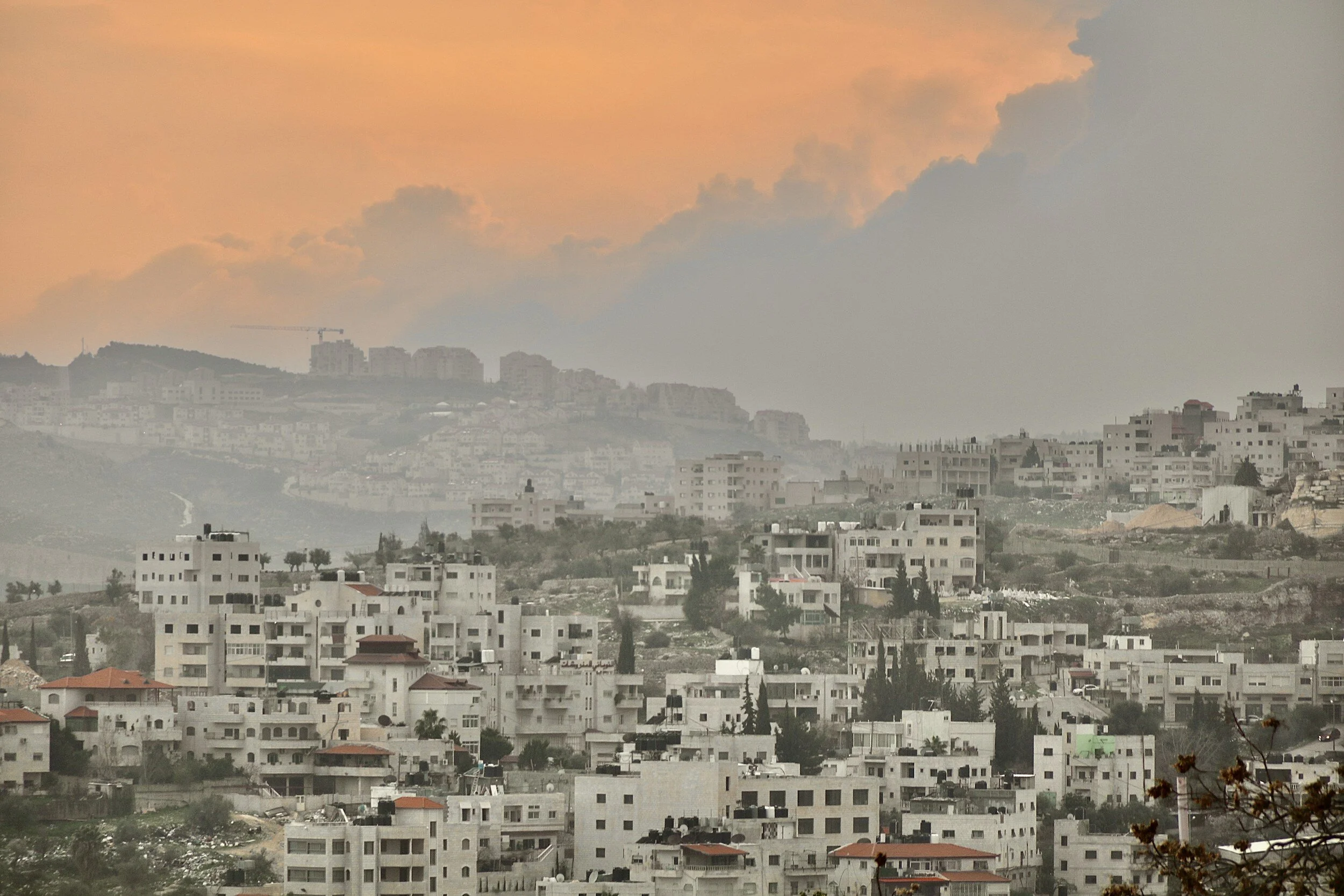
This week in the coverage of the conflict between Israel and Palestine there’s been a shift. After the initial bloody attacks from Hamas fighters against civilian Israelis, the Sydney Harbour Bridge was lit up blue and white in support of Israel. But as the Palestinian civilian death toll has ticked up through a breath-taking bombing response; as Gaza has been besieged even more than usual generating millions of displaced people within the city; and the boots-on-the-ground counter-offensive hasn’t begun yet, some of our political leaders are beginning to ask, “Should we be completely behind Israel on this?”
Three Post-Referendum Thoughts

Three Post-Referendum Thoughts

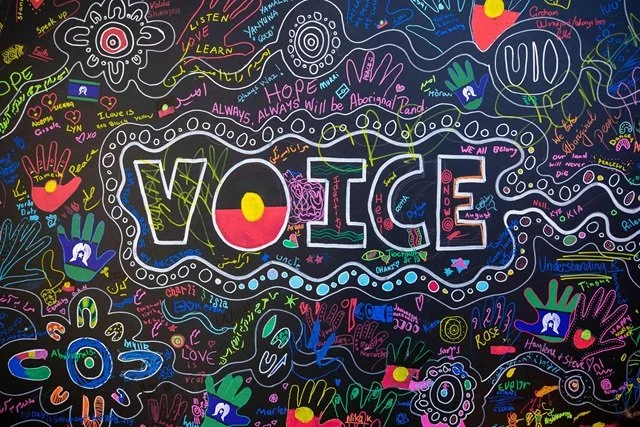
1. I’m struck as I read the New Testament just how much of it is concerned with finding unity across distance.

Be it cultural distance (Jewish and non-Jewish Christians); confidence to live as a distinctive Christian minority who, nevertheless, are intelligible to the cultures around them (the so-called “stronger” and “weaker” Christians); and, of course, the mountains of passages about how to handle conflict, disagreement and sin.
 
A surprising thought rings out through these texts – unity within the body of Christ is deeply precious, it is worth contending for and is more important than being right. This thought is easier or harder to believe based on what’s going on around us.
Image

Image

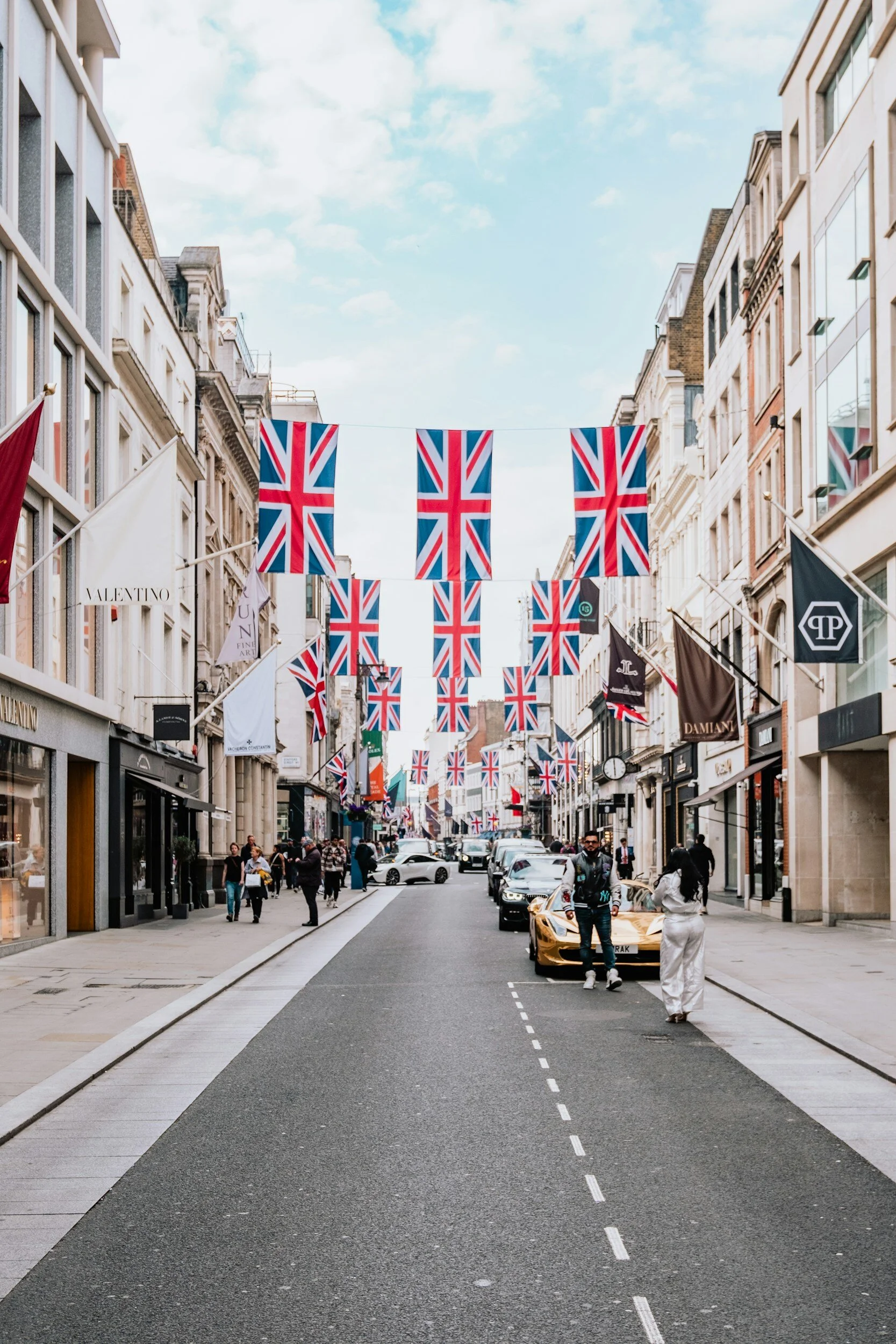
Have you seen the new coin design with the King on the back? It’ll start being circulated very soon and will gradually make their way into our spare change in the next year or so. I understand that monarchs take approving this image of themselves very seriously – this portrait image is selected by the king himself at the Royal Mint in the UK and then that image is on-distributed to Commonwealth countries for use.